WBS charts a new blueprint for strategic, African-led giving
Africa’s future will not only be shaped by the resources we have, but by how we use them to create opportunities, strengthen communities and improve lives.
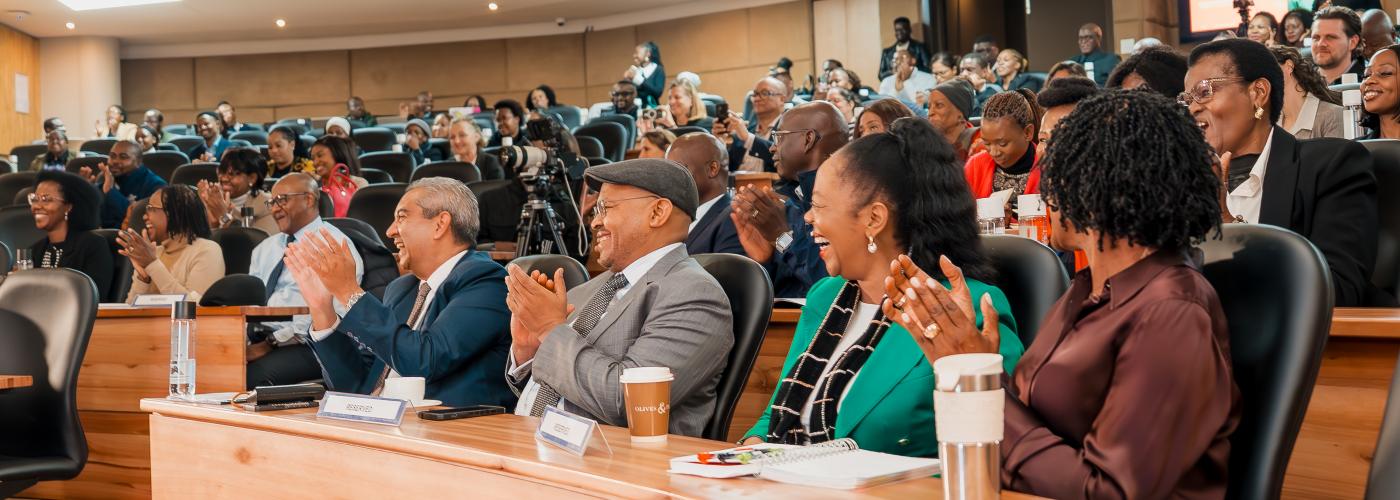
This was the message running through the public lecture “Catalytic Philanthropy and the Future of African-Led Giving”, held on 17 June 2026 at Wits Business School in Johannesburg. The gathering brought together leaders from academia, philanthropy, business, government, civil society, development organisations and students for a conversation about the future of African philanthropy.
The lecture came just after 16 June, Youth Day in South Africa, a day that commemorates the 1976 Soweto student uprising and reflects on the role young people continue to play in shaping society. For Professor Bhekinkosi Moyo, Director of the Centre on African Philanthropy and Social Investment (CAPSI) and Adjunct Professor at Wits Business School, the timing was important.
Moyo explained that the idea for the lecture started during discussions at the United Nations General Assembly the previous year, where conversations began around young people, the future of philanthropy, and leadership transitions. He highlighted the importance of creating space for the next generation, particularly through a lecture delivered by Tanya Masiyiwa, CEO of Higherlife Foundation and Delta Philanthropies.
“This is important because we always think of individuals like Tsitsi and study them,” Moyo reflected. “But now, instead of us studying her, she is coming here to study the broader ecosystem.” Moyo was referring to Tsitsi Masiyiwa, founder of Higherlife Foundation, philanthropist, and a current Wits Business School PhD student in Philanthropy.
For Moyo, the moment represented a shift, a space where African philanthropy is not only researched but also reflected on by those actively shaping it.
Opening the event, Professor Logan Rangasamy, Head and Director of Wits Business School, said the conversation was timely as Africa faces interconnected challenges, from youth unemployment to education, healthcare and social development.
He said catalytic philanthropy is about “leveraging resources, partnerships, ideas and institutions to unlock broader societal transformation,” moving beyond short-term interventions towards sustainable impact.
“Those closest to the challenges are often best positioned to develop sustainable solutions,” Rangasamy added, emphasising the importance of African-led giving and African-led approaches.
Professor Garth Stevens, Deputy Vice-Chancellor: People Development and Culture at the University of the Witwatersrand, connected the discussion to the wider role of universities. He said universities must not only respond to change but help “shape the future”.
For Stevens, partnerships between universities and philanthropy are essential because they support scholarships, research, innovation and long-term societal development.
“Philanthropy allows universities to invest in longer-term initiatives whose value may not be immediately measurable, but whose impact can be transformational over time,” he said.
During the lecture, Tanya Masiyiwa reflected on the evolution of philanthropy and the importance of investing in people. She highlighted that Higherlife Foundation’s work is rooted in the belief that human potential is Africa’s greatest resource.
Her mother, Tsitsi Masiyiwa, also addressed the audience and spoke directly to young people about purpose, courage and sacrifice.
“You are the present and the future,” she said, encouraging young people to be willing to take risks and pursue their convictions.
“If you have a burning passion, but there’s no price you’re willing to pay, you cannot change anything,” Masiyiwa said.
She shared that meaningful change requires commitment, explaining that many leaders built their journeys through sacrifice, resilience and persistence.
Following the lecture, Cathy Duff, Director at Trialogue, shared reflections on social media, highlighting key themes from the discussion. She noted that African informal giving is significant, but requires stronger structures and systems to translate generosity into lasting change. Duff also highlighted the importance of moving from charitable giving towards strategic giving, investing in people, and strengthening philanthropy infrastructure on the continent.
The conversation echoed the spirit of the Sustainable Development Goals (SDGs), particularly the focus on quality education, reduced inequalities, partnerships and sustainable communities. At its heart, the discussion was about how resources can be transformed into opportunity.
As Professor Stevens reminded the audience, universities are spaces that exist to “create knowledge, expand opportunity, and help shape a better future.” And as the discussions at Wits Business School demonstrated, that future will be built through collaboration, courage and a renewed belief in African-led solutions.
Related News